December 10, 2025
Handling a severely clogged bathroom drain, especially a clogged bathtub drain, can be a daunting task during a plumbing emergency. This article provides practical advice and step-by-step instructions for managing such a situation. By understanding the causes of clogs, including a clogged bathtub drain, and using the right tools and techniques, you can prevent unnecessary stress and potential water damage. Timely action is essential to avoid worsening the situation and costly repairs.
It's important to recognize that not all plumbing issues require professional intervention. Many homeowners can resolve problems like a clogged bathtub drain with some guidance and patience. However, it’s essential to know when to call a professional to save time and prevent further damage. This article will help you understand the necessary steps, preventive strategies, and when to seek professional help to fix a clogged bathtub drain.
Understanding the Causes of a Clogged Drain
Hair and Soap Scum Build-Up
Hair and soap scum are common causes of a clogged bathtub drain. As hair sheds during showers, it binds with soap scum to form a blockage. Over time, this material accumulates, obstructing water flow. Regular cleaning, emptying hair traps, and using cleaning products that minimize soap scum can help prevent these clogs in your bathtub drain. In areas with hard water, mineral deposits can exacerbate the problem, so routine descaling and the use of water softeners can help manage these issues in your bathroom plumbing.
Accumulation of Dirt and Grease
While grease is more commonly associated with kitchen drains, it can also cause a clogged bathtub drain. Grease combines with dirt and other debris, hardening over time, which makes it difficult to remove. Minimizing grease disposal in bathroom plumbing and cleaning drains regularly can help prevent these issues. Hot water and detergent can sometimes dislodge minor buildup in a clogged bathtub drain, but severe cases may require commercial drain cleaners.
Mineral Deposit Formation
In areas with hard water, mineral deposits such as calcium and magnesium accumulate in the pipes, narrowing their diameter and obstructing water flow. A clogged bathtub drain may result from this buildup. Regular water softening treatments can prevent these deposits. For existing buildup, plumbing snakes and chemical descalers can be used to dissolve these minerals. Alternatives like vinegar and baking soda can also be effective in less severe cases of a clogged bathtub drain.
Poor Pipe Installation
Poor pipe installation, such as improper slope or misalignment, can lead to drainage problems, including a clogged bathtub drain. This type of issue often results in stagnant water and clogs. Regular inspections and professional installation are essential to avoid long-term drainage issues. In some cases, trenchless pipe repair techniques, which account for nearly 30% of all underground pipe repairs according to WifiTalents, can resolve the problem without the need for extensive excavation, preventing a clogged bathtub drain from recurring.
Object Blockage
Foreign objects like toys, feminine hygiene products, or excessive toilet paper can obstruct drains, including a clogged bathtub drain. Teaching proper disposal practices and installing drain guards can prevent these blockages. If an object is causing the clog, a plumbing snake or auger can help remove it without pushing it further into the system, potentially exacerbating the clogged bathtub drain.
Initial Assessment and Tools Required
Identifying Signs of Severe Clogs
Signs of a severe clog, including a clogged bathtub drain, include slow drainage, gurgling sounds, or unpleasant odors. In severe cases, water may back up into lower fixtures, indicating a mainline blockage. Early detection is key to preventing water damage and system stress. If in doubt, consult a professional to assess the situation and determine the severity of a clogged bathtub drain.
Essential Tools for Plumbing Emergencies
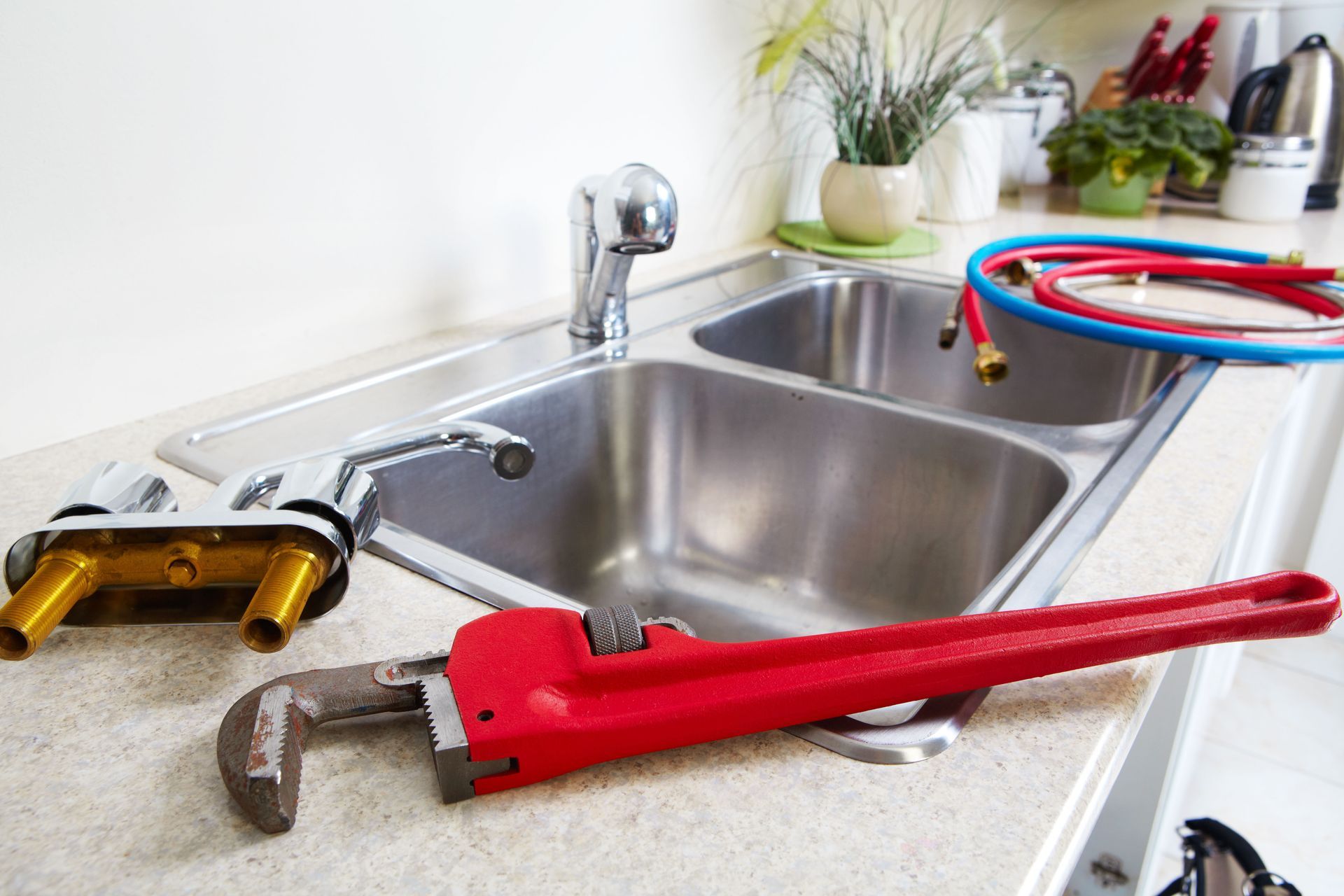
A basic plumbing toolkit includes plungers, plumbing snakes, adjustable wrenches, and a bucket to manage overflow. Different plungers are suited to different types of drains—flat-cup plungers work best for sinks and tubs, while flange plungers are designed for toilets. For deep clogs like a clogged bathtub drain, a hand-crank or motorized plumbing snake is necessary. Chemical solutions should be used cautiously to avoid damaging pipes.
Determining the Type of Drain System
Understanding the type of drain system in your home is crucial. Different systems, such as gravity-based or pressure-assisted, require different approaches. Knowing the materials and design of your pipes helps determine the best course of action and avoids ineffective methods for resolving a clogged bathtub drain.
Step-by-Step Plunging Techniques
Proper Selection and Use of Plungers
Plunging is often the first line of defense against a clogged bathtub drain. Choose the right type of plunger—flat-cup plungers are for sinks and tubs, while flange plungers are designed for toilets. Creating a strong seal around the drain and using controlled, forceful thrusts can help dislodge the clog in a clogged bathtub drain. Proper technique is key to successful plunging.
Creating a Tight Seal Around the Drain
To plunge effectively, ensure a tight seal around the drain. Without a proper seal, air escapes, reducing the effectiveness of the plunging action. Use petroleum jelly around the plunger rim for a better fit, and clean the area around the drain before plunging to ensure maximum suction, which is crucial for clearing a clogged bathtub drain.
When to Call a Professional
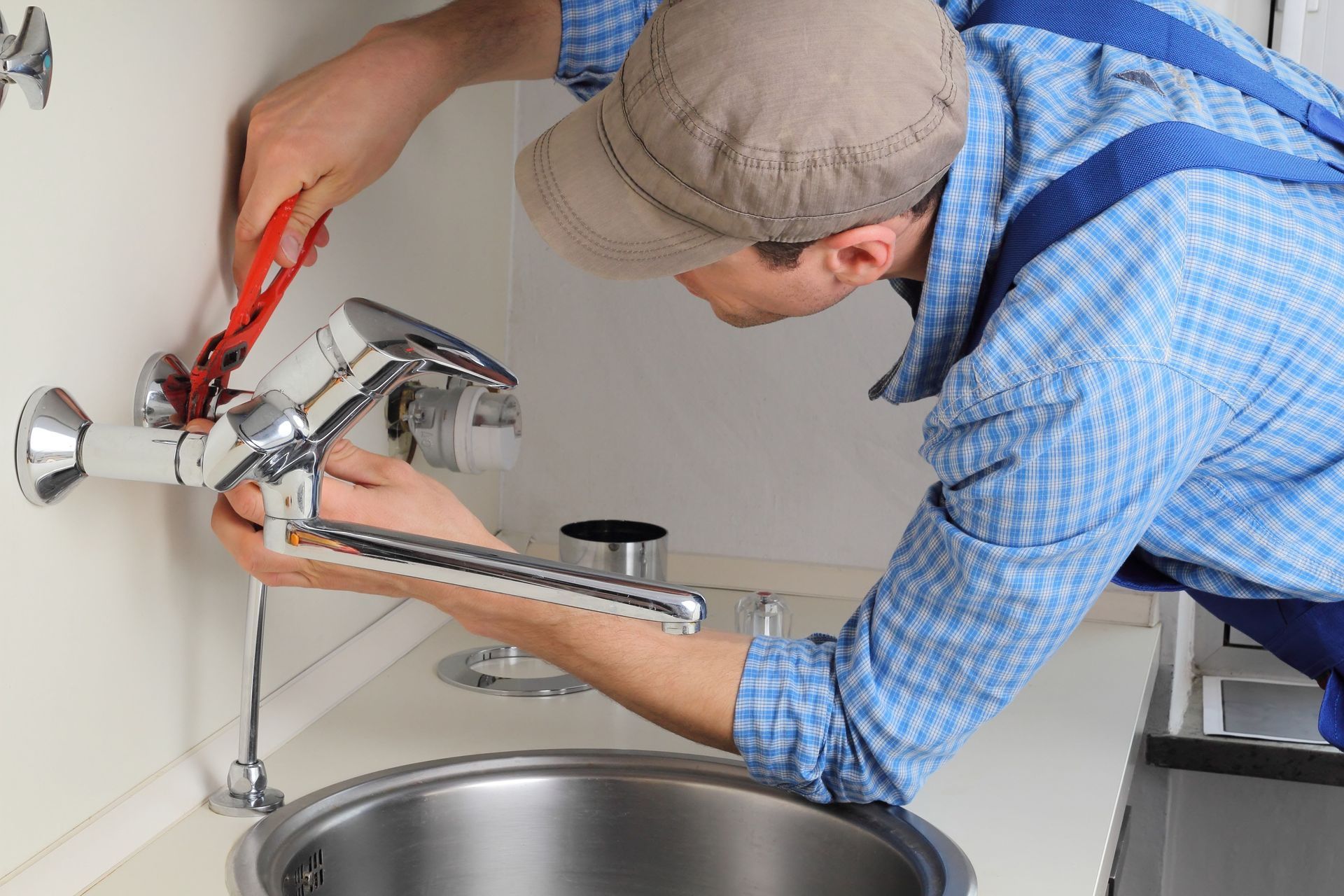
While many plumbing issues, such as a clogged bathtub drain, can be resolved with DIY methods, there are times when professional help is needed. If you’re unable to dislodge the clog with plungers or snakes, or if you notice repeated clogs in the same drain, it’s time to call a plumber. Additionally, if you encounter more serious problems, such as backflows or water damage, a professional plumber can assess the situation and provide a comprehensive solution for your clogged bathtub drain.
Preventive Measures
Regular Drain Cleaning
To prevent future clogs, such as a clogged bathtub drain, perform regular drain cleaning. Use a drain cleaner or a natural solution like vinegar and baking soda to keep pipes clear. Periodic cleaning can prevent debris from accumulating and reduce the risk of severe blockages in your bathroom plumbing.
Install Drain Guards
Installing drain guards can help catch hair, soap scum, and other debris before they enter the pipes. These simple devices can save you time and money by preventing clogs like a clogged bathtub drain from forming in the first place.
Maintain Proper Disposal Habits
Educate family members on what can and cannot be flushed down the drain. Avoid disposing of grease, large amounts of toilet paper, and foreign objects in the bathroom sink or toilet. Proper disposal habits can prevent most common clogs and extend the life of your plumbing system, preventing clogs in your bathtub drain.
Address Hard Water Issues
If you live in an area with hard water, install a water softener to reduce mineral deposits in your pipes. Regular descaling of bathroom fixtures can also help prevent mineral buildup that can lead to clogs, including in your clogged bathtub drain.
Clogged bathroom drains, including a clogged bathtub drain, are a common plumbing issue, but with the right tools and techniques, they can often be resolved without professional help. Identifying the cause of the clog, using the correct methods, and taking preventive measures can keep your drains clear and functioning properly. When in doubt, don’t hesitate to call a professional plumber to avoid causing further damage. With knowledge and preparation, you can handle most plumbing emergencies and prevent future clogs from disrupting your daily routine. Reach out to Harold's Plumbing today to learn more.